 繁
繁
 EN
EN


Introduction
Introduction
The American Heart Association (AHA) is a non-profit medical organization and voluntary health agency in the United States, dedicated to promoting methods for the treatment and prevention of heart disease. Its goal is to reduce deaths and disabilities caused by cardiovascular diseases and strokes, with the mission to "create healthier lifestyles and eliminate cardiovascular diseases and strokes." The AHA has established numerous basic and advanced life support emergency care standards recognized worldwide.
Since 2006, the Hong Kong Society of Professional Medical Care (HKSPMC) has been offering AHA courses and is now an internationally recognized AHA Authorized International Training Centre (AHA authorized ITC). HKSPMC provides professional training for healthcare workers and front-line first aiders in Hong Kong. The courses include:
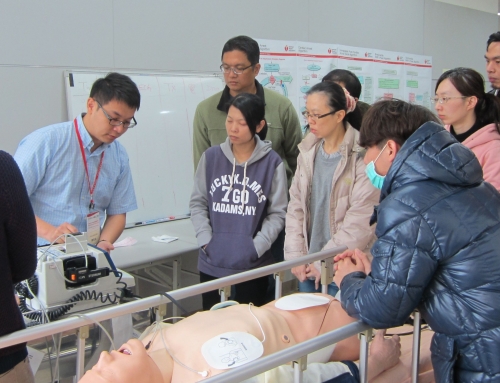
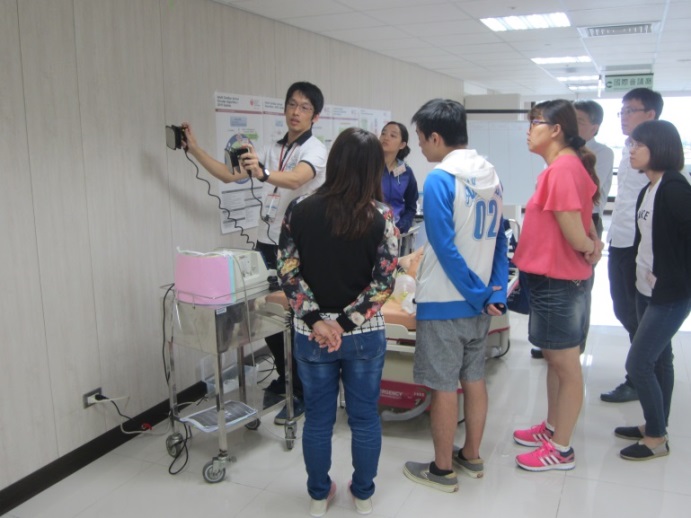
In 2010, the American Heart Association released new guidelines for cardiac emergency care. The courses emphasize small class sizes, hands-on learning, and the concept of team-based resuscitation. Through DVD-based instruction and repeated practice, participants learn standard procedures and become familiar with the different roles involved during an emergency. Whether the participants are doctors, nurses, or emergency medical technicians, they can master both their own roles and those of other team members in the course. Attending the AHA courses organized by the Hong Kong Society of Professional Medical Care is no longer a stressful experience, but rather an enjoyable and enriching opportunity to acquire first aid knowledge and skills.
Since 2006, the Hong Kong Society of Professional Medical Care (HKSPMC) has been offering AHA courses and is now an internationally recognized AHA Authorized International Training Centre (AHA authorized ITC). HKSPMC provides professional training for healthcare workers and front-line first aiders in Hong Kong. The courses include:
- AHA Basic Life Support for Healthcare Providers Course (BLS)
- AHA Advanced Cardiovascular Life Support Course (ACLS)
- AHA Pediatric Advanced Life Support Course (PALS)
In 2010, the American Heart Association released new guidelines for cardiac emergency care. The courses emphasize small class sizes, hands-on learning, and the concept of team-based resuscitation. Through DVD-based instruction and repeated practice, participants learn standard procedures and become familiar with the different roles involved during an emergency. Whether the participants are doctors, nurses, or emergency medical technicians, they can master both their own roles and those of other team members in the course. Attending the AHA courses organized by the Hong Kong Society of Professional Medical Care is no longer a stressful experience, but rather an enjoyable and enriching opportunity to acquire first aid knowledge and skills.
Major Updates in Cardiopulmonary Resuscitation (CPR)
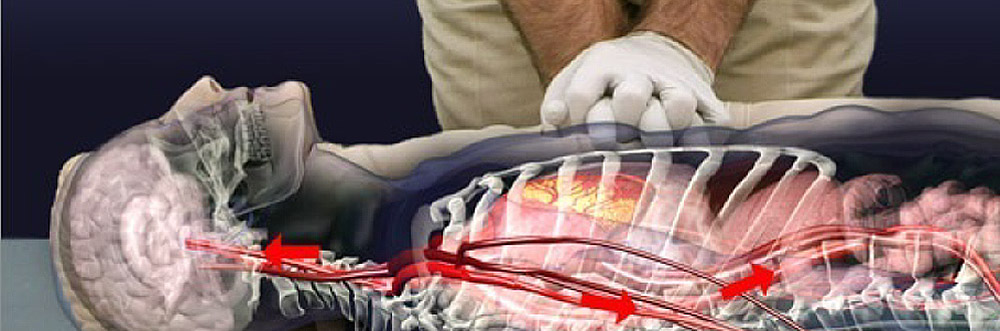
In 2010, the American Heart Association (AHA) introduced major changes to cardiopulmonary resuscitation (CPR). Previously, the standard sequence for CPR was "ABC"—airway, breathing, and compression. Now, compression is moved to the forefront, resulting in the new sequence "CAB." This change is based on increasing evidence highlighting the importance of initiating chest compressions early. The recommendation for the general public is to begin chest compressions immediately after calling for help and to continue until emergency medical personnel arrive. Those who have received CPR training should perform the steps in the CAB order. The current protocols for emergency care still require further clinical analysis, and it would not be surprising if there are more changes in the coming years.
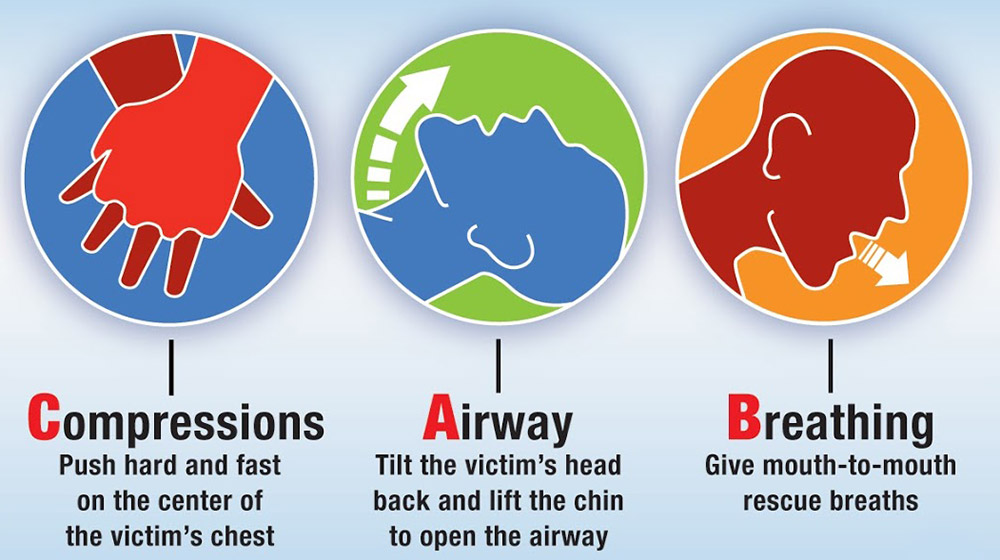
The American Heart Association course series focuses on providing comprehensive training to healthcare professionals and interested members of the public.
1.American Heart Association - Basic Life Support (BLS) for Healthcare Providers course

Learning Objectives:
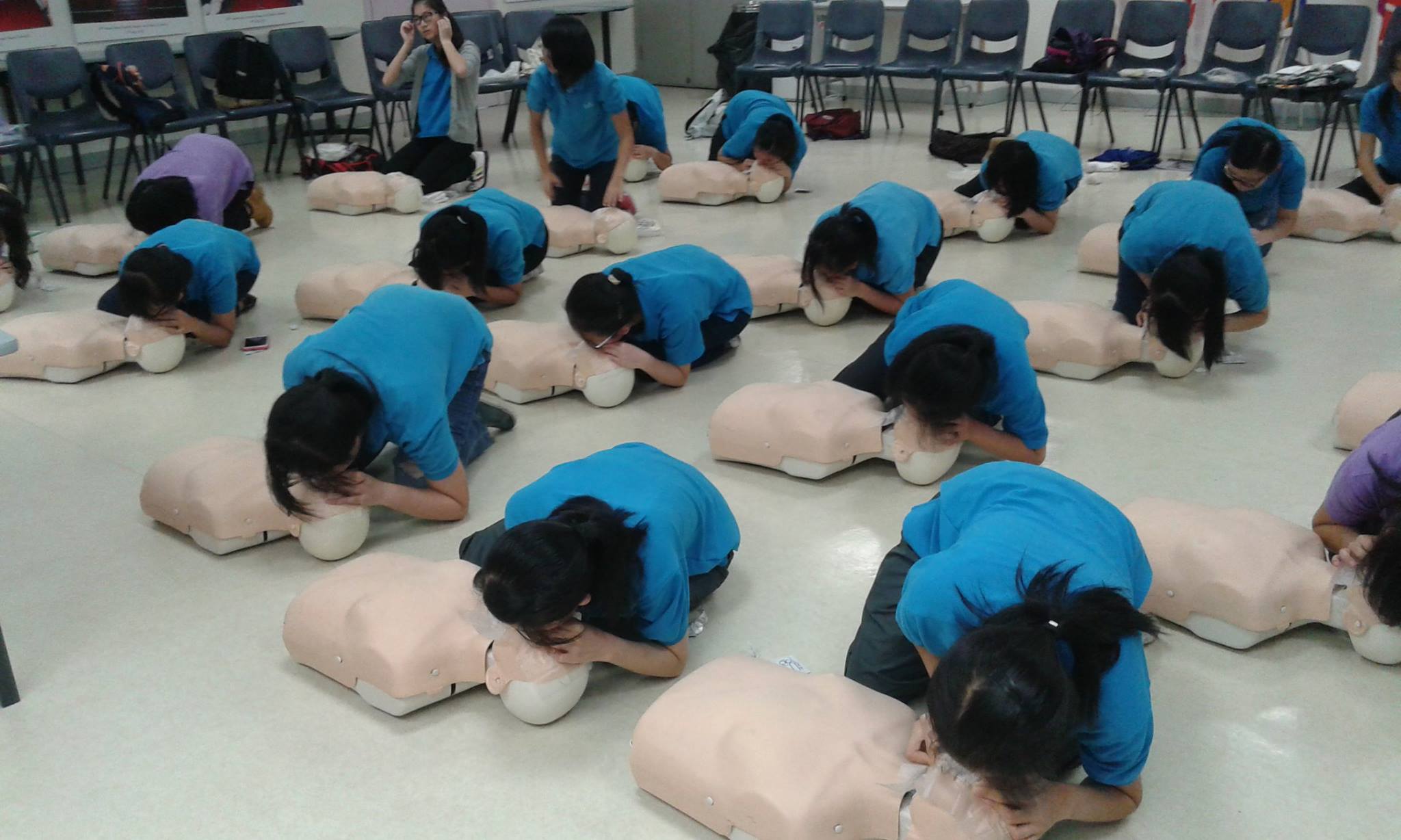
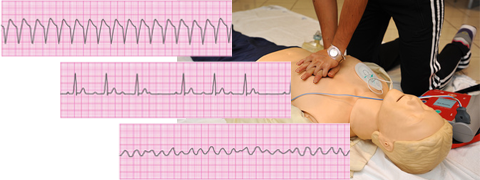
The American Heart Association’s Basic Life Support (BLS) course for healthcare providers is designed to enhance the basic lifesaving skills of medical professionals, emergency medical technicians, and first responders by providing comprehensive training. The curriculum covers emergency medical procedures, patient assessment on the scene, and subsequent emergency medical steps. Through easy-to-understand illustrations and video demonstrations, participants can quickly grasp and effectively perform life support techniques, enabling them to deliver timely, accurate, and effective emergency care in critical situations.
Target audience: General public, scout leaders, teachers, doctors, nurses, nursing staff, emergency medical technicians, and others. Those who already hold relevant first aid certificates are especially suitable for this course.
Our organization offers a standard 5-hour BLS training course taught by certified BLS instructors. Participants who pass both the written and practical examinations will receive the American Heart Association Basic Life Support certificate, which is valid for two years.
The American Heart Association’s Basic Life Support (BLS) course for healthcare providers is designed to enhance the basic lifesaving skills of medical professionals, emergency medical technicians, and first responders by providing comprehensive training. The curriculum covers emergency medical procedures, patient assessment on the scene, and subsequent emergency medical steps. Through easy-to-understand illustrations and video demonstrations, participants can quickly grasp and effectively perform life support techniques, enabling them to deliver timely, accurate, and effective emergency care in critical situations.
Target audience: General public, scout leaders, teachers, doctors, nurses, nursing staff, emergency medical technicians, and others. Those who already hold relevant first aid certificates are especially suitable for this course.
Our organization offers a standard 5-hour BLS training course taught by certified BLS instructors. Participants who pass both the written and practical examinations will receive the American Heart Association Basic Life Support certificate, which is valid for two years.
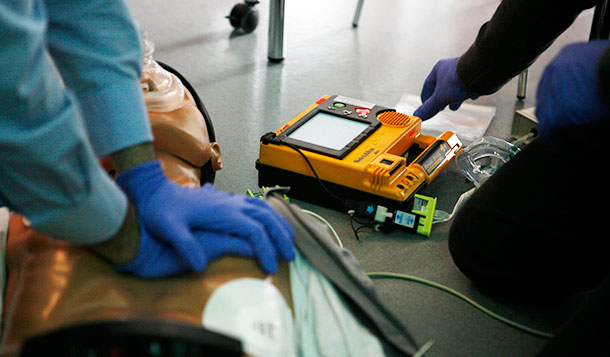

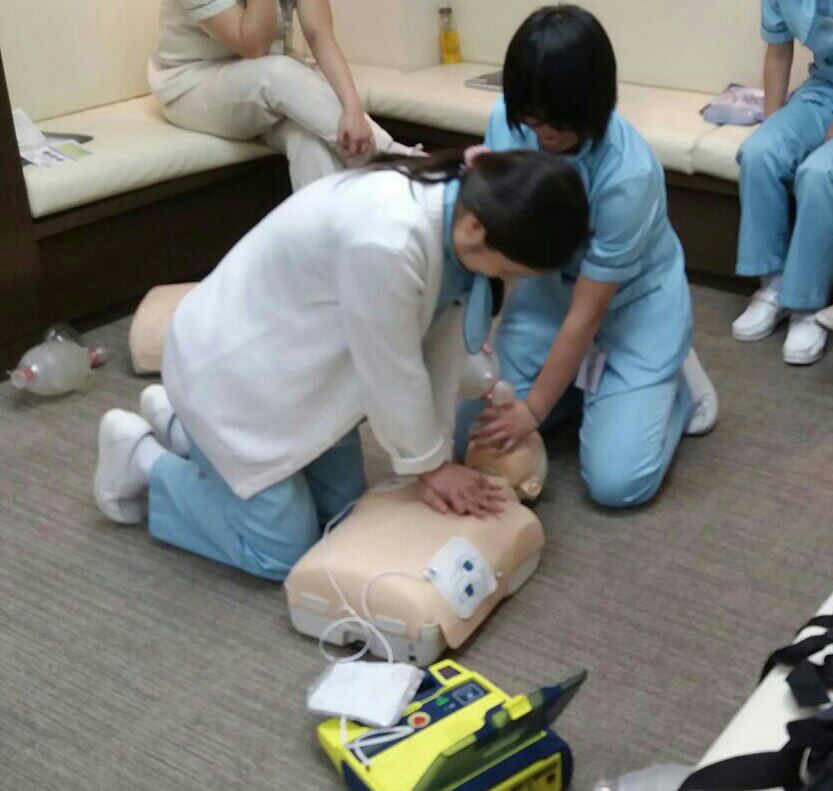
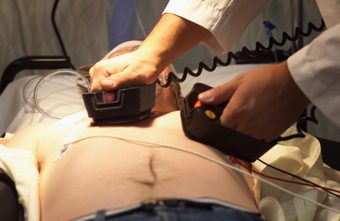
An Automated External Defibrillator (AED) is a portable medical device that can diagnose certain types of abnormal heart rhythms and deliver a defibrillation shock. It is specifically designed for the emergency treatment of patients at risk of sudden cardiac arrest.
2.American Heart Association - Advanced Cardiovascular Life Support (ACLS) Course
Learning Objectives:
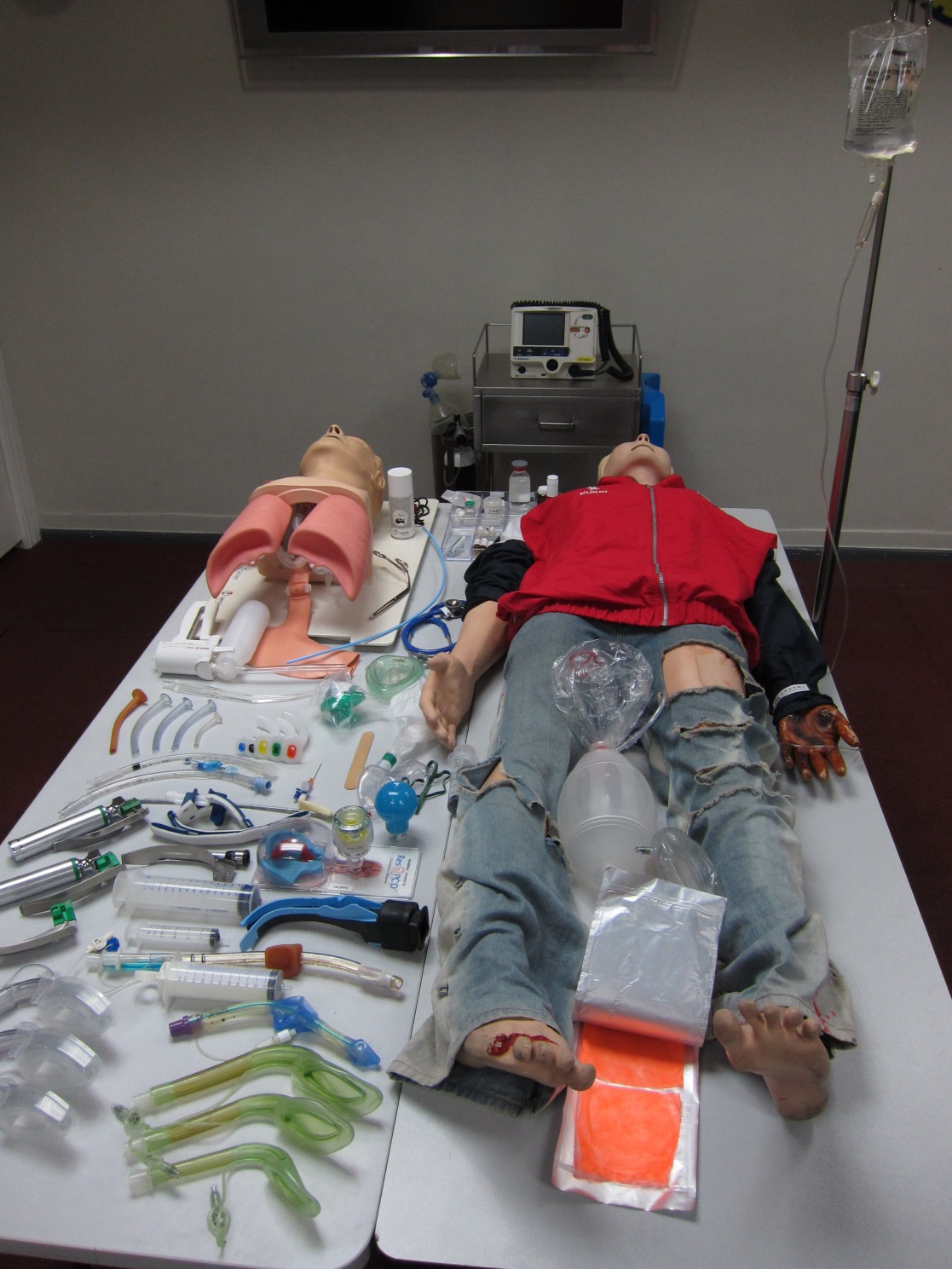
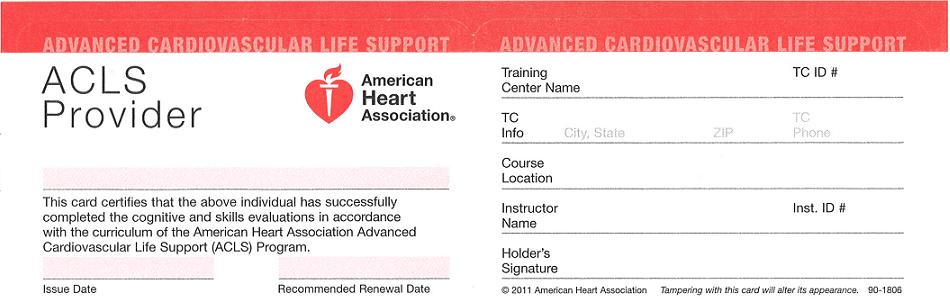
The American Heart Association Advanced Cardiovascular Life Support (ACLS) course is a two-day program designed to provide frontline emergency healthcare professionals with the most practical emergency medical education. Frontline medical personnel are often faced with rapidly changing patient conditions, and only through solid training and the accumulation of clinical experience can they make the most accurate decisions and interventions in critical, life-and-death situations. Nowadays, hospital accreditation systems are increasingly recognizing ACLS training as a mandatory requirement for staff working in emergency units. Although participants often feel nervous, the use of simulation and interactive exercises in class greatly enhances the capabilities of emergency care providers.
Target audience: Doctors, nurses, emergency medical technicians, and any interested individuals. Those who already hold relevant first aid certificates are especially suitable for this course.
Our organization offers a standard 14-hour ACLS training course taught by certified ACLS instructors. Participants who pass both the written and practical examinations will receive the American Heart Association Advanced Cardiovascular Life Support certificate, which is valid for two years.
The American Heart Association Advanced Cardiovascular Life Support (ACLS) course is a two-day program designed to provide frontline emergency healthcare professionals with the most practical emergency medical education. Frontline medical personnel are often faced with rapidly changing patient conditions, and only through solid training and the accumulation of clinical experience can they make the most accurate decisions and interventions in critical, life-and-death situations. Nowadays, hospital accreditation systems are increasingly recognizing ACLS training as a mandatory requirement for staff working in emergency units. Although participants often feel nervous, the use of simulation and interactive exercises in class greatly enhances the capabilities of emergency care providers.
Target audience: Doctors, nurses, emergency medical technicians, and any interested individuals. Those who already hold relevant first aid certificates are especially suitable for this course.
Our organization offers a standard 14-hour ACLS training course taught by certified ACLS instructors. Participants who pass both the written and practical examinations will receive the American Heart Association Advanced Cardiovascular Life Support certificate, which is valid for two years.
3.American Heart Association - Pediatric Advanced Life Support (PALS) Course
Learning Objectives:
The American Heart Association Pediatric Advanced Life Support (PALS) course is a two-day program designed to equip frontline emergency healthcare professionals with the knowledge and skills needed to handle emergencies involving infants and children. The course covers the identification of patient risk factors, prevention of cardiac and respiratory arrest, cardiopulmonary resuscitation (CPR), and emergency skills for stabilizing infants and children experiencing cardiac arrest or respiratory failure.
Target audience:Doctors, nurses, emergency medical technicians, and any interested individuals. Those who already hold relevant first aid certificates are especially suitable for this course.
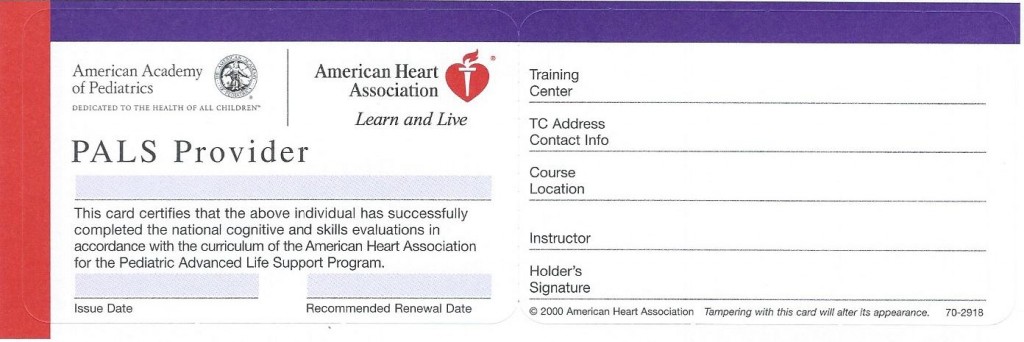
Our organization offers a standard 14-hour PALS training course taught by certified PALS instructors. Participants who pass both the written and practical examinations will receive the American Heart Association Pediatric Advanced Life Support certificate, which is valid for two years.
The American Heart Association Pediatric Advanced Life Support (PALS) course is a two-day program designed to equip frontline emergency healthcare professionals with the knowledge and skills needed to handle emergencies involving infants and children. The course covers the identification of patient risk factors, prevention of cardiac and respiratory arrest, cardiopulmonary resuscitation (CPR), and emergency skills for stabilizing infants and children experiencing cardiac arrest or respiratory failure.
Target audience:Doctors, nurses, emergency medical technicians, and any interested individuals. Those who already hold relevant first aid certificates are especially suitable for this course.
Our organization offers a standard 14-hour PALS training course taught by certified PALS instructors. Participants who pass both the written and practical examinations will receive the American Heart Association Pediatric Advanced Life Support certificate, which is valid for two years.
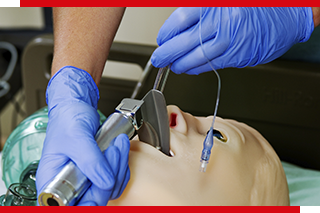
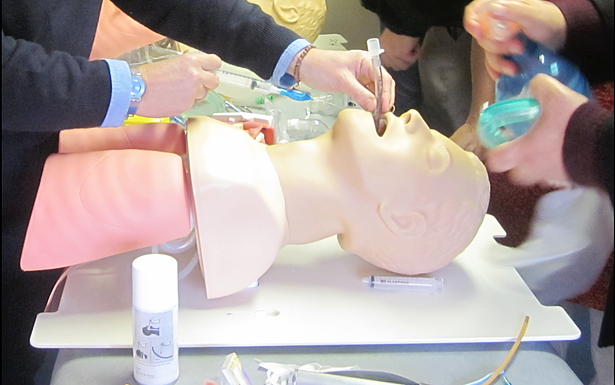
Live Photos