 繁
繁
 EN
EN


Emergency Medical Rescue Training
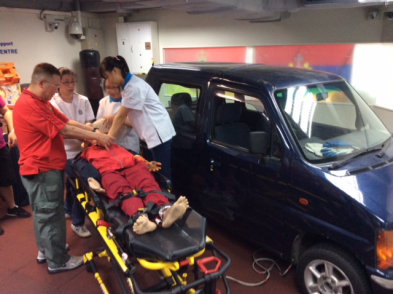
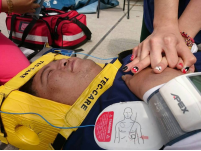
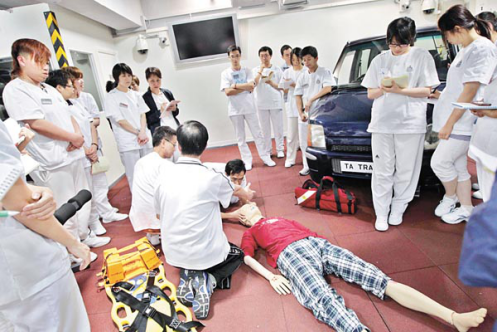
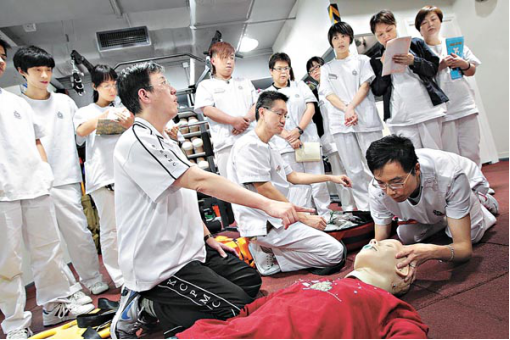
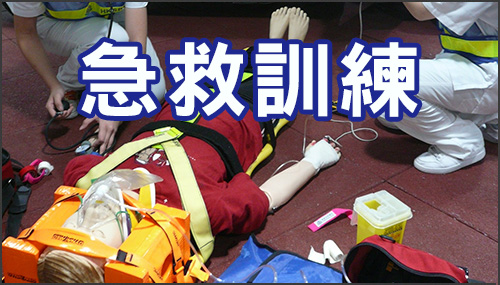
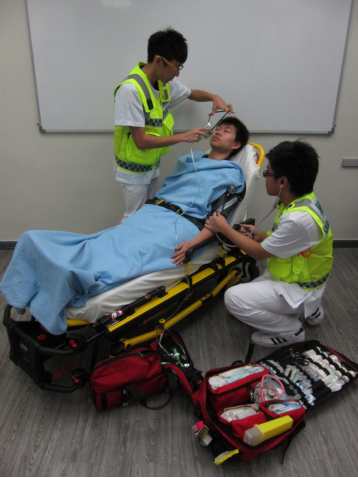
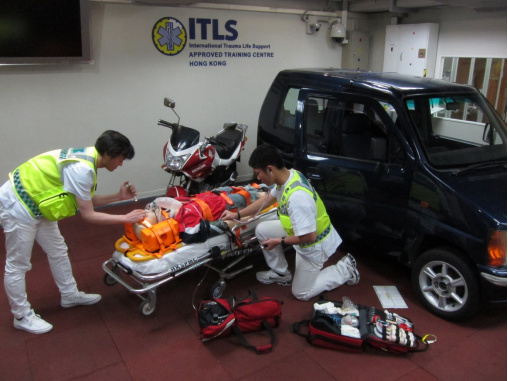
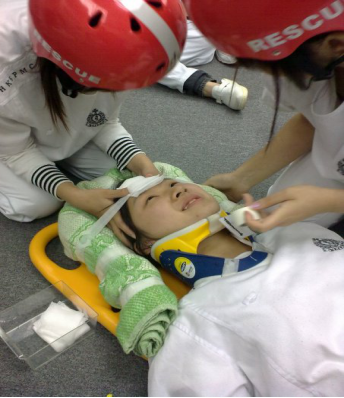
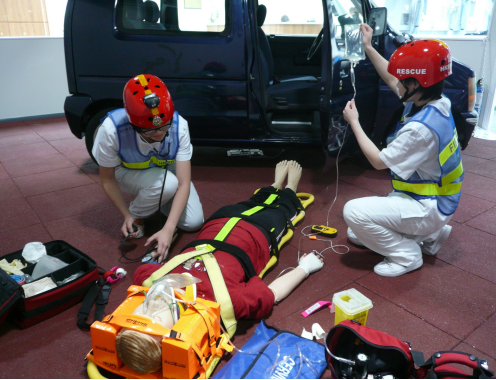
Emergency Medical Services (EMS) is synonymous with professional first aid. All personnel assigned to ambulances are required to undergo comprehensive training in rescue skills and emergency medical techniques. In addition to understanding common medical and surgical emergencies and the physiological responses to trauma, EMT training places significant emphasis on casualty management. This includes the handling of spinal and cervical injuries, the application of spinal boards and cervical collars, the management of respiratory emergencies, oxygen therapy techniques, and large-scale initial triage procedures.
Emergency Medical Technicians (EMT) and EMT-Paramedics, commonly referred to as "ambulance personnel" in Hong Kong, are professionals who provide emergency medical services. Our Occupational First Aid training courses primarily focus on basic first aid and casualty management skills. However, with advancements in medical technology and evolving approaches to pre-hospital patient care, first aid training should become increasingly diversified and advanced.
Emergency Medical Technicians (EMT) and EMT-Paramedics, commonly referred to as "ambulance personnel" in Hong Kong, are professionals who provide emergency medical services. Our Occupational First Aid training courses primarily focus on basic first aid and casualty management skills. However, with advancements in medical technology and evolving approaches to pre-hospital patient care, first aid training should become increasingly diversified and advanced.
Emergency Medical Technicians’ Training
Sudden deaths caused by coronary artery disease, traffic accidents, and other injuries have highlighted the growing importance of on-site first aid. To strengthen the emergency medical system, it is essential that pre-hospital emergency personnel are equipped with emergency medical techniques to save lives and prevent further deterioration of the patient's condition. Modern emergency medical care places great emphasis on the capabilities of pre-hospital responders, making it crucial for Emergency Medical Technicians (EMTs) to receive formal training and certification. Well-trained EMTs are able to perform pre-hospital medical procedures as directed by physicians. Various types of emergencies—including traffic accidents, heart attacks, mountain rescues, emergency childbirth, and gunshot wounds—require immediate medical attention. EMTs responsible for transporting patients to hospital emergency departments must therefore be professionally trained, physically fit, and able to remain calm under pressure.
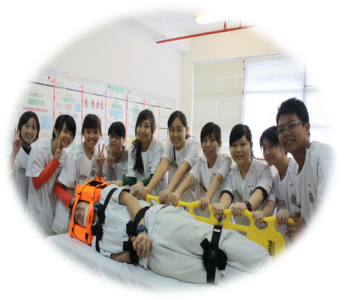
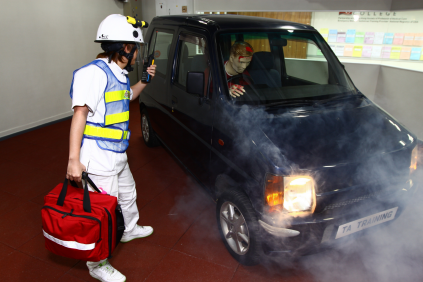
Upon arriving at the scene, Emergency Medical Technicians (EMTs) must assess the patient’s condition and severity, and, in accordance with strict protocols, provide appropriate emergency care and rapidly transport the patient to the hospital for further treatment. Before placing a patient on a stretcher, EMTs use specialized equipment, such as spine boards, to immobilize injuries and securely fasten the patient in the ambulance for transport to the hospital. Typically, one EMT drives the ambulance while the other monitors the patient’s vital signs and provides additional care as needed during transport. In some cases, EMTs are part of helicopter crews responsible for transferring critically ill or injured patients to trauma centers for advanced treatment. When patients are delivered to the hospital’s emergency department, EMTs report their observations and the medical interventions performed to emergency room staff. After each mission, EMTs restock used supplies and inspect their equipment. If they have transported a patient with an infectious disease, EMTs disinfect the ambulance and report the case to the appropriate authorities.
Upon arriving at the scene, Emergency Medical Technicians (EMTs) must assess the patient’s condition and severity, and, in accordance with strict protocols, provide appropriate emergency care and rapidly transport the patient to the hospital for further treatment. Before placing a patient on a stretcher, EMTs use specialized equipment, such as spine boards, to immobilize injuries and securely fasten the patient in the ambulance for transport to the hospital. Typically, one EMT drives the ambulance while the other monitors the patient’s vital signs and provides additional care as needed during transport. In some cases, EMTs are part of helicopter crews responsible for transferring critically ill or injured patients to trauma centers for advanced treatment. When patients are delivered to the hospital’s emergency department, EMTs report their observations and the medical interventions performed to emergency room staff. After each mission, EMTs restock used supplies and inspect their equipment. If they have transported a patient with an infectious disease, EMTs disinfect the ambulance and report the case to the appropriate authorities.
Training and Certification
Basic First Aid Training
On January 2, 2011, the Hong Kong Society of Professional Medical Care was approved by the Labour Department of Hong Kong to offer an Occupational First Aid Training Course recognized under the Occupational Safety and Health Ordinance (Cap. 509, Sub. Leg. A), Section 17(2)(b)(iii). From that date onwards, individuals who successfully complete the Society’s 30-hour Occupational First Aid Certificate Course and pass the required assessments are recognized as “persons trained in first aid” under Section 17(2)(b)(iii) of the Occupational Safety and Health Regulation (Cap. 509, Sub. Leg. A). The certificate is valid for three years.
This course not only meets the requirements set by the Hong Kong SAR Government and the Society’s Medical Services Department, but also qualifies graduates as certified first aiders.
Occupational First Aid Course
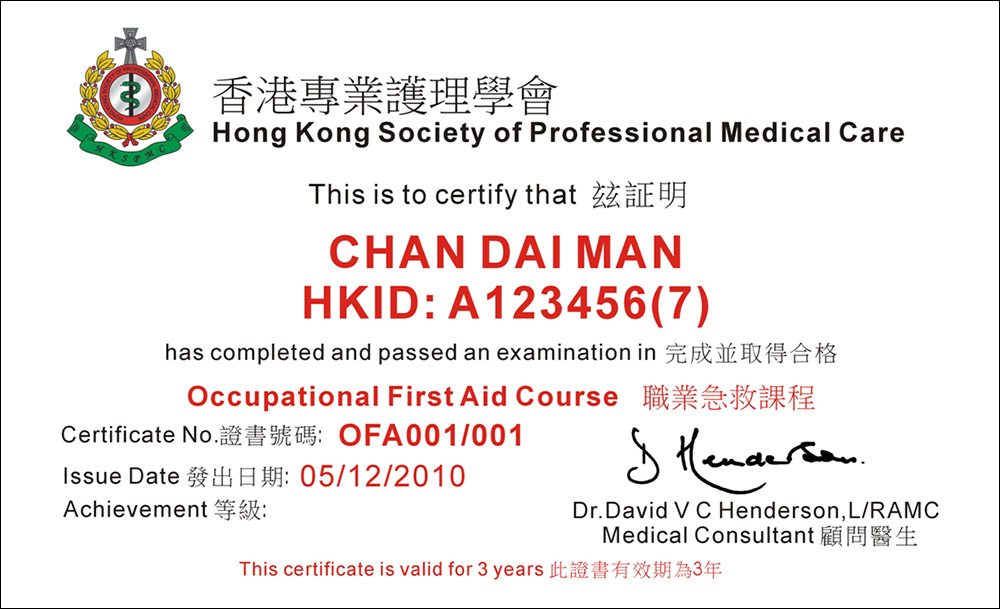
Occupational First Aid Certificate issued by the Hong Kong Society of Professional Medical Care, recognized by the HKSAR Government
Emergency Medical Responder Training (EMR) Course
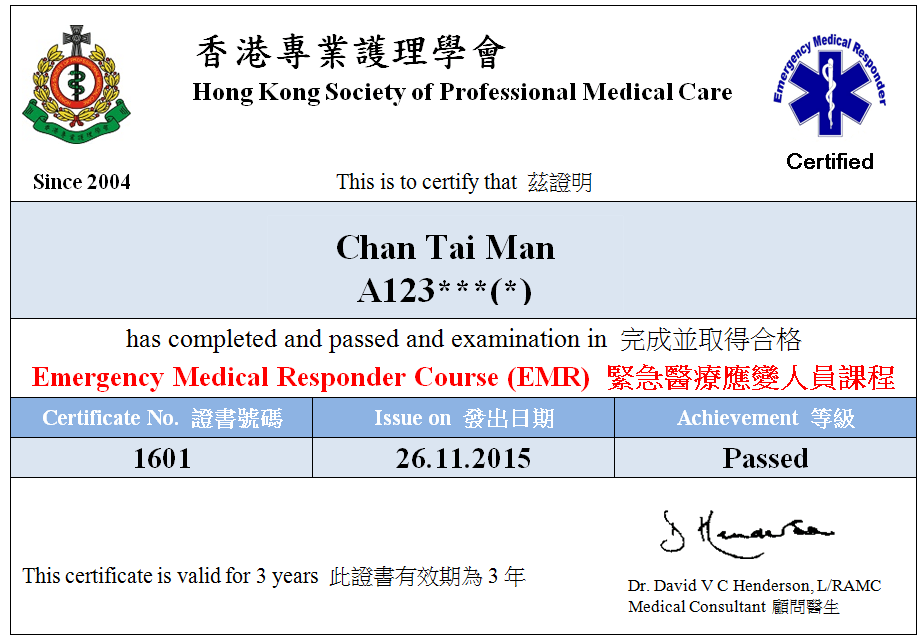
Emergency Medical Responder Certificate issued by the Hong Kong Society of Professional Medical Care, recognized by the HKSAR Government
Effective from 10 January 2018, the following courses offered by the Hong Kong Society of Professional Medical Care are recognized as Endorsed Level 3 and 4 qualifications by Training Qualifications UK (TQUK).1. Certificate in Occupational First Aid Course (TQUK Endorsed Level 3)
2. Certificate in Emergency Medical Responder Course (TQUK Endorsed Level 4)
Effective from 7 December 2017, the following courses offered by the Hong Kong Society of Professional Medical Care are recognized as Endorsed Level 5 qualifications by Training Qualifications UK (TQUK).
3. Diploma in Emergency Medical Technician Course (TQUK Endorsed Level 5)
Emergency Medical Technician (EMT) Training
As the Hong Kong healthcare system widely adopts American emergency care certifications—such as Basic Life Support (BLS), Advanced Cardiovascular Life Support (ACLS), Pediatric Advanced Life Support (PALS), and International Trauma Life Support (ITLS)—our Society signed a collaborative agreement with a specialized EMT training institute in the United States on 14 September 2010 to develop Emergency Medical Technician (EMT) training in Hong Kong. This collaboration is further supported by the National Registry of Emergency Medical Technicians (NREMT) in the United States.
For the first time globally, Hong Kong students are permitted to participate in the NREMT certification examination locally, making it possible to become a certified Emergency Medical Technician (NREMT) in Hong Kong. This qualification is officially recognized by the Registry as a "quotable qualification", meaning that successful graduates may add the (NREMT) designation to their business cards as a mark of distinction.
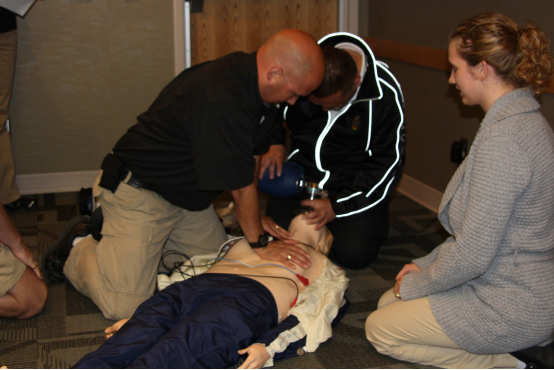
Advanced Training after the Occupational First Aid Certificate
| Title | 中文名稱 |
| Emergency Medical Responder (EMR) | 緊急醫療應變人員 |
| Emergency Medical Technician-Basic (EMT-B) | 緊急醫療技術員 |
| Emergency Medical Technician-Advanced (AEMT) | 高級緊急醫療技術員 |
| Emergency Medical Technician-Paramedic (EMT-P) | 輔助醫療救護員 |
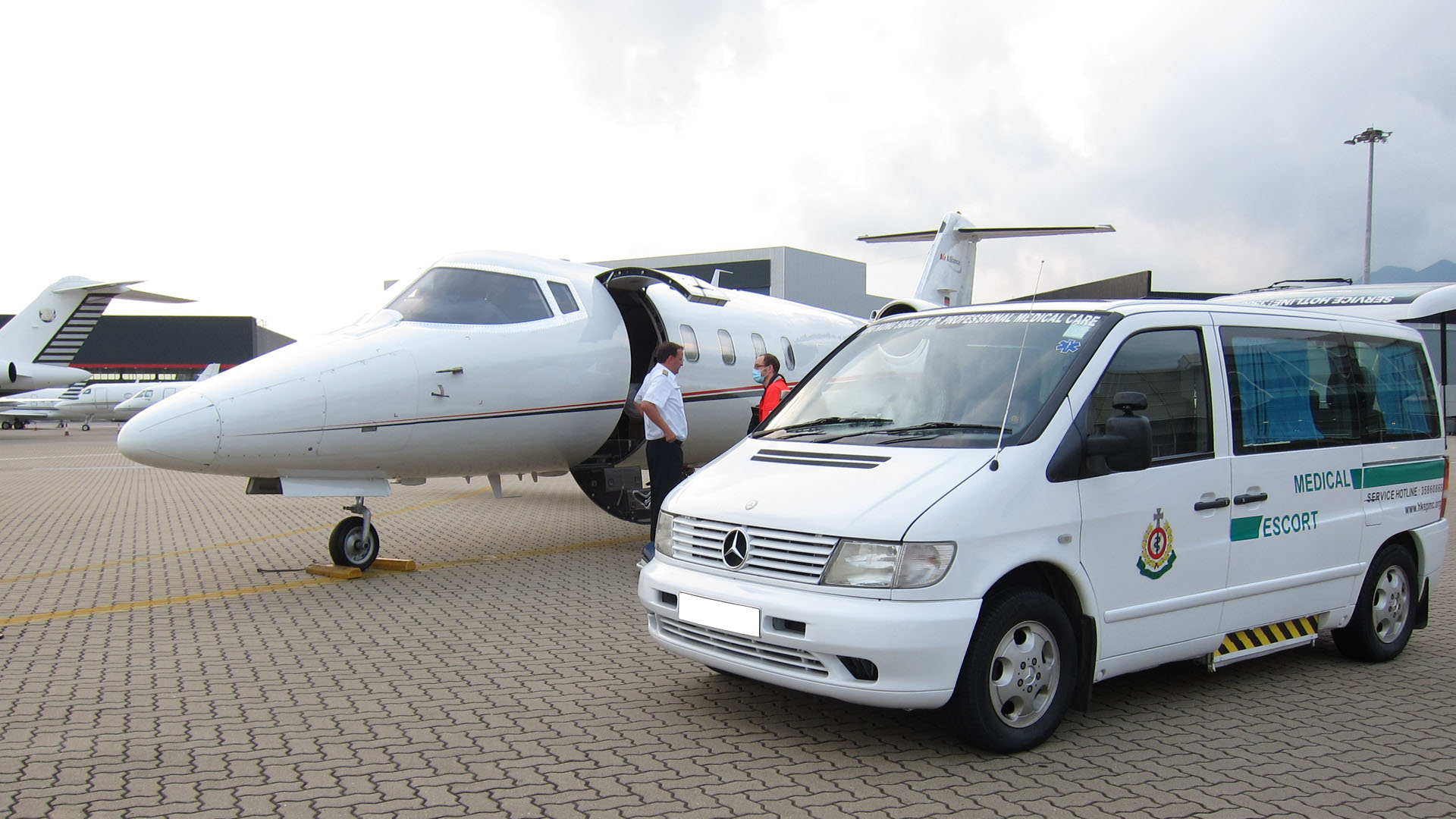
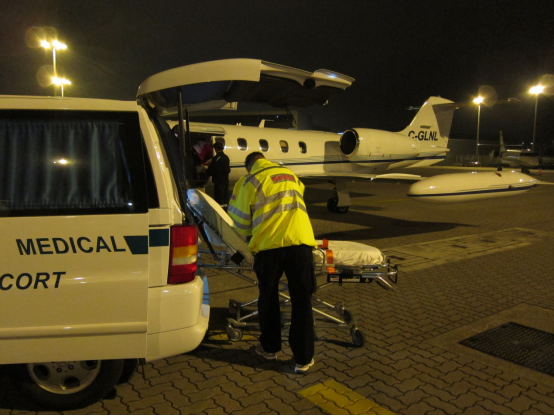
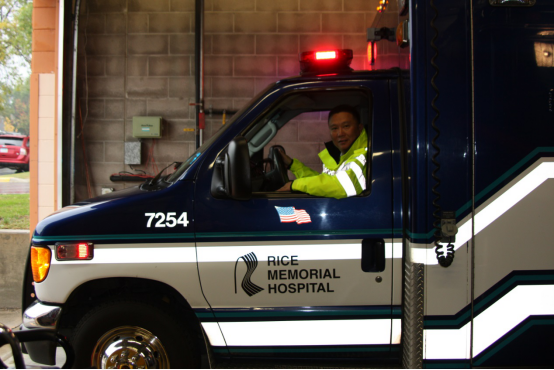
Emergency Medical Technician (EMT) Training Course
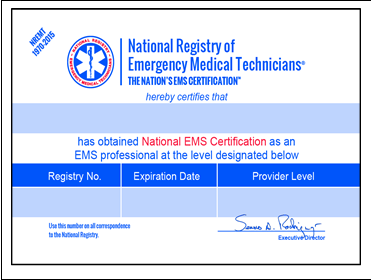
National Registry of Emergency Medical Technician (NREMT) Certification



Levels of Emergency Medical Technicians
The levels of Emergency Medical Technicians are categorized from Level 1 to Level 3, reflecting different competency standards among emergency medical personnel.
1. Basic Emergency Medical Technician (EMT-Basic) is classified as Level 1 Emergency Medical Technician. EMT-Basics are trained to provide care for patients at the scene of an accident and during transport to the hospital, following medical protocols established by physicians. They must be proficient in patient assessment and in performing emergency procedures to manage respiratory, cardiac, and trauma-related emergencies.
2. Advanced Emergency Medical Technicians (EMT-Advanced: AEMT) receive more advanced training. They are qualified to perform intravenous (IV) therapy, use manual defibrillators to deliver life-saving shocks to patients in cardiac arrest, and perform advanced airway management techniques to assist patients experiencing respiratory emergencies.
3. Paramedics (EMT-Paramedic) are authorized to administer oral medications and intravenous drugs to patients, interpret electrocardiogram (ECG) results, perform endotracheal intubation, and operate monitors and other advanced medical equipment.
Emergency Medical Technicians work both indoors and outdoors, and they are required to perform their duties in all weather conditions. Their work often involves frequent kneeling, bending, and lifting heavy objects, which can lead to back injuries. In addition, EMTs are at risk of exposure to infectious diseases such as Hepatitis B. The job is physically demanding and highly stressful, as they must face life-and-death situations and care for patients who are suffering. Nevertheless, many people find the work to be highly challenging and rewarding.
To become an Emergency Medical Technician or Paramedic, one must complete formal training and obtain certification. Admission to these formal training programs typically requires possession of the Hong Kong Diploma of Secondary Education (HKDSE). All certification procedures are conducted in Hong Kong, where candidates may sit for both the written and practical examinations administered by the National Registry of Emergency Medical Technicians (NREMT). Licensed EMTs must renew their registration every two years to maintain its validity. To be eligible for renewal, individuals must not only work as EMTs but also fulfill continuing education requirements.
1. Basic Emergency Medical Technician (EMT-Basic) is classified as Level 1 Emergency Medical Technician. EMT-Basics are trained to provide care for patients at the scene of an accident and during transport to the hospital, following medical protocols established by physicians. They must be proficient in patient assessment and in performing emergency procedures to manage respiratory, cardiac, and trauma-related emergencies.
2. Advanced Emergency Medical Technicians (EMT-Advanced: AEMT) receive more advanced training. They are qualified to perform intravenous (IV) therapy, use manual defibrillators to deliver life-saving shocks to patients in cardiac arrest, and perform advanced airway management techniques to assist patients experiencing respiratory emergencies.
3. Paramedics (EMT-Paramedic) are authorized to administer oral medications and intravenous drugs to patients, interpret electrocardiogram (ECG) results, perform endotracheal intubation, and operate monitors and other advanced medical equipment.
Emergency Medical Technicians work both indoors and outdoors, and they are required to perform their duties in all weather conditions. Their work often involves frequent kneeling, bending, and lifting heavy objects, which can lead to back injuries. In addition, EMTs are at risk of exposure to infectious diseases such as Hepatitis B. The job is physically demanding and highly stressful, as they must face life-and-death situations and care for patients who are suffering. Nevertheless, many people find the work to be highly challenging and rewarding.
To become an Emergency Medical Technician or Paramedic, one must complete formal training and obtain certification. Admission to these formal training programs typically requires possession of the Hong Kong Diploma of Secondary Education (HKDSE). All certification procedures are conducted in Hong Kong, where candidates may sit for both the written and practical examinations administered by the National Registry of Emergency Medical Technicians (NREMT). Licensed EMTs must renew their registration every two years to maintain its validity. To be eligible for renewal, individuals must not only work as EMTs but also fulfill continuing education requirements.